Showing posts with label gps pet locator. Show all posts

Wednesday, September 21, 2011

Dog Safety For Children

Author: Chris Newton

Children and dogs are often an awesome combination. However, to keep everyone secure, there are certain rules to follow to dog-proof your kids and kid-proof your dog!


The main thing to take into consideration when children and dogs interact is that dogs are first animals that respond from impulse rather than reason. No matter how well you may know a dog, he will still attack if he feels vulnerable. Dogs are unpredictable. But with little care and supervision, you can ensure a safe and happy relationship between children and dogs.


Dog-proofing your children: Children should be trained that all living things have to be appreciated. There are some forms of activities that should be corrected immediately, such as teasing animals or hurting them in any way. When meeting a dog for the first time, educate your child how to approach him correctly. Always ask for permission from the owner to approach the dog. If permission is given, your child should hold his hands out with the palms down to let the dog sniff first. All actions should be kept slow and gentle, without any extra hugging or grabbing the dog. Dogs view any rapid movements with suspicion and any close contact from strangers can be very frightening. Having kids running and shouting around the dog could also bring out his preying instinct and cause him to chase and attack. Never stare a dog directly in the eye or scare him when he is sleeping or eating. If a dog is chained, teach your child to leave him alone as he may feel more threatened if he has no way to run off. Familiarize your children with the danger gesture to look out for when a dog is about to attack. Teach them to recognize signals such as growling, tail between the legs, raised hackles, and ears laid back against his head. If a dog is showing any of these signs, your child should be taught to walk away slowly, never run.


Child-proofing your dog: Buy your dog from a reputable breeder. Some dog breeds are more violent than others, and you may want to keep this in mind before deciding a pet for your home. Get your puppy get used to children from an early age. If you do not have kids at home, take him to the playground or park so that he is used to small kids running and yelling. It may be advisable to take your dog to a professional trainer and teach him how to behave around children. This will prevent him from barking excessively and jumping/running after children he meets. Keep in mind that dogs think of children differently from adults. Their high-pitched voices could cause dogs to be worried and attack. Also, they may think of small children as little animals or puppies and nip at them while playing. Never leave a dog alone with a child, as even the best-trained dog may bite if he feels attacked or threatened.


One way to keep track of your dog's location at all times is with a dog tracking device such as the SpotLight or SpotLite GPS pet locator. SpotLight and SpotLite are dog tracking locators that provides you with 24/7 access to your pet's location. If your dog has wandered off, you can find him in a matter of minutes, using directions provided by these the web-based tracking system. In this way, you can ensure that your dog is always under your supervision and any unnecessary mishap can be avoided.


Article Source: http://www.sooperarticles.com/pets-articles/dog-articles/dog-safety-children-631592.html


About Author:

This article is authored by Chris Newton from Securus, Inc. for more information about GPS Dog Tracking Device, visit http://www.spotlightgps.com/.

Thursday, March 24, 2011

SpotLight GPS Versus Traditional Pet Safety methods


There was a time when the options available to keep your dog safe and secure were very limited and not very effective. A few decades ago, the only devices available were ID tags/microchip, straps and dog collars. However, these were only meant for identification purpose if your dog is lost. Restricting a dog's movements was another practice which was used to keep dogs safe. As technology progressed, dog owners started using electric collars and electric fences, but all these have their own limitations.

Recently, progress has been made in the field of dog safety. The latest development in the market is pet GPS and GPS canine collars for dogs, such as SpotLight and its value-priced counterpart, SpotLite GPS Pet Locators.

For further details read this article

Monday, January 10, 2011

SpotLite GPS is Here!

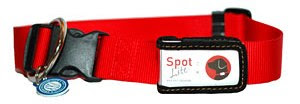
AKC CAR is very proud to recommend and offer the SpotLite GPS Pet Locator, the newest GPS pet protections system from our partner, Securus, Inc. SpotLite includes all they key features of Securus’ award winning SpotLight GPS Pet Locator, but at a significantly reduced price. To learn more about SpotLite, click here.

More Information
SpotLight and SpotLite contain the newest GPS pet tracking technology and are the only products that couple the tracking services provided through GPS technology with the recovery services of AKC CAR.
SpotLITE GPS Pet Locator
Additional features of SpotLite include:
  • Simple set up: designate your "Safe Spot" from your computer by clicking on a satellite image
  • Small and lightweight: SpotLite attaches to your dog’s existing collar for universal and easy wear
  • Rechargeable battery for hassle free protection and safety around the clock
  • Rescue "If Found" button connects lost dog with AKC CAR’s Recovery Team and the owner
  • Unique collar tag identification
  • Recovery assistance: 24 hours a day, 7 days a week, 365 days a year from AKC CAR
SpotLite GPS requires an activation fee, a monthly service plan and an internet connection to activate and use the device. The service plan will be activated through Securus. The service plan will cost $14.99 per month.


Friday, September 24, 2010

Tips to Ensure Your Pet Comes Back

Disappointing as it may seem, accidents do happen. You may be taking very good care of your pet, but something could cause your pet to get lost. In such circumstances, it is always good to plan ahead and be prepared. Here are some tips to ensure your pet comes back:

  • React immediately: Don’t waste time if the pet is lost. The faster you get there and start combing the neighborhood, the higher your chances are of finding him. Look around carefully, call your pet at all times and canvass your local venues as soon as possible. When pets go missing, they often walk only at dusk or dawn and rest for most of the day. Drive or walk around at these times. Leave a bowl of his favorite food or a special toy to attract your pet back home.

  • Ask around: Once you are sure that the neighborhood has been searched thoroughly, ask around. Visit your local park and talk to other pet owners to see if they have seen your dog recently. Call your neighbor and tell them, your pet is missing. Ask your postman and other delivery people to keep a look out for your lost pet. The more people you ask, the more people will be looking out for your pet.

  • Inform: The next step is to put flyers everywhere. Use glossy paper so that it stands out, and include a description of your pet, your name, address and at least two contact numbers. You can also offer a reward, but beware of lost pet scams where people claim to have found your missing pet in exchange for money. Do not transfer any funds until you have seen your pet. Always leave out one distinct feature of your pet in the descriptions to ensure that the call is authentic. Put these flyers everywhere - nearby veterinary clinics, grocery stores, libraries, bus stops, park, shelters and pet stores. You could also advertise in local newspapers and on radio stations. Make sure you have a recent photo of your pet and include it in your flyer or advertisement.

  • Contact: Visit all local shelters and rescue centers within 60 miles of your house. Visiting these centers only once is not enough. A daily visit or at least once every two days is recommended. Most often it takes more than a few days for a lost pet to be taken to these shelters, so do not despair. Carry a recent photograph, but be aware that over time your pet could get dirty and matted, and may not look like as he did before he got lost. Check the yellow pages for local animal control departments and see if there have been any accidents in the area. In general, calling to these shelters and department is rarely effective in such situations. Actually visiting these places regularly is the only way to ensure that your pet comes back to you. The Internet can also be used in such cases. Notify your friends and acquaintances about your lost pet. Participate in various online forums and message groups and ask for help.

  • Identify: Identifying your pet through collar, ID tag or a microchip is highly recommended. The information on the tag must include your name, address, and at least two contact numbers. Talk to your veterinarian about a permanent microchip as an option.

  • Pet Locators: With the latest advances in technology, you now have access to the latest in pet trackers. Thanks to GPS technology, a GPS Pet Locator such as SpotLight allows you to get the exact location of your pet in minutes. You can even define certain safe places with the device and if your pet moves out of these SafeSpots, you will be informed by text message or email. SpotLight GPS Pet Locator is water-resistant and durable and comes with a lifetime registration in AKC CAR's recovery service and an exclusive AKC CAR collar tag with unique identification number. When it comes to tracking and finding your lost pet, there is a no more efficient system than a GPS Pet Tracker. Using the latest technology, you can rest assured you'll find your lost pet as soon as possible.

Article Source: http://www.spotlightgps.com/tips-to-ensure-your-pet-comes-back.aspx

Monday, March 22, 2010

Uses of Global Positioning System

There are several models of GPS devices are now available, with different uses. Although the basic functionality of the units are the same, their features vary widely.

The types of GPS tracking devices available include:
  • Mobile Phones
  • Laptops & PDAs
  • Motorcycles & Cars
  • Automotive
  • GPS Pet Locator - To keep track of your pet and display its location & location history